
Public Records in Bloomfield Township
Bloomfield Township is a community in Essex County with a long history and active local government. The township keeps public records dating back well over a century, with vital statistics on file since 1848. Residents and others can search for meeting minutes, financial documents, contracts, and police records. OPRA requests can be filed online through the NJ OPRA Portal. This guide explains the main paths for finding and requesting public records in Bloomfield Township.
Bloomfield Township OPRA Requests
The township accepts OPRA requests through the NJ OPRA Portal. This is the official state system for filing records requests. You can submit your request online and track its progress from start to finish.
The types of records you can request include meeting minutes, budget and financial reports, contracts, personnel records (non-confidential portions), policies, and communications. The township must respond within seven business days. If the request is complex, the clerk may send an extension notice with a new timeline.
Be as specific as you can. Name the type of record, the date range, and the department. A focused request moves through the system faster than a broad one.
Vital Records Since 1848
Bloomfield Township has one of the deeper vital records archives in the state. The township has kept birth, death, and marriage records since 1848. That is nearly two centuries of data. These records are valuable for genealogy, legal matters, and personal research.
The clerk's office issues certified copies of vital records. Certified copies carry an official seal and are accepted by courts, government agencies, and most other institutions. You will need to show ID and, in some cases, prove your relationship to the person named on the record.
The Bloomfield Township website offers information on clerk services and vital records.
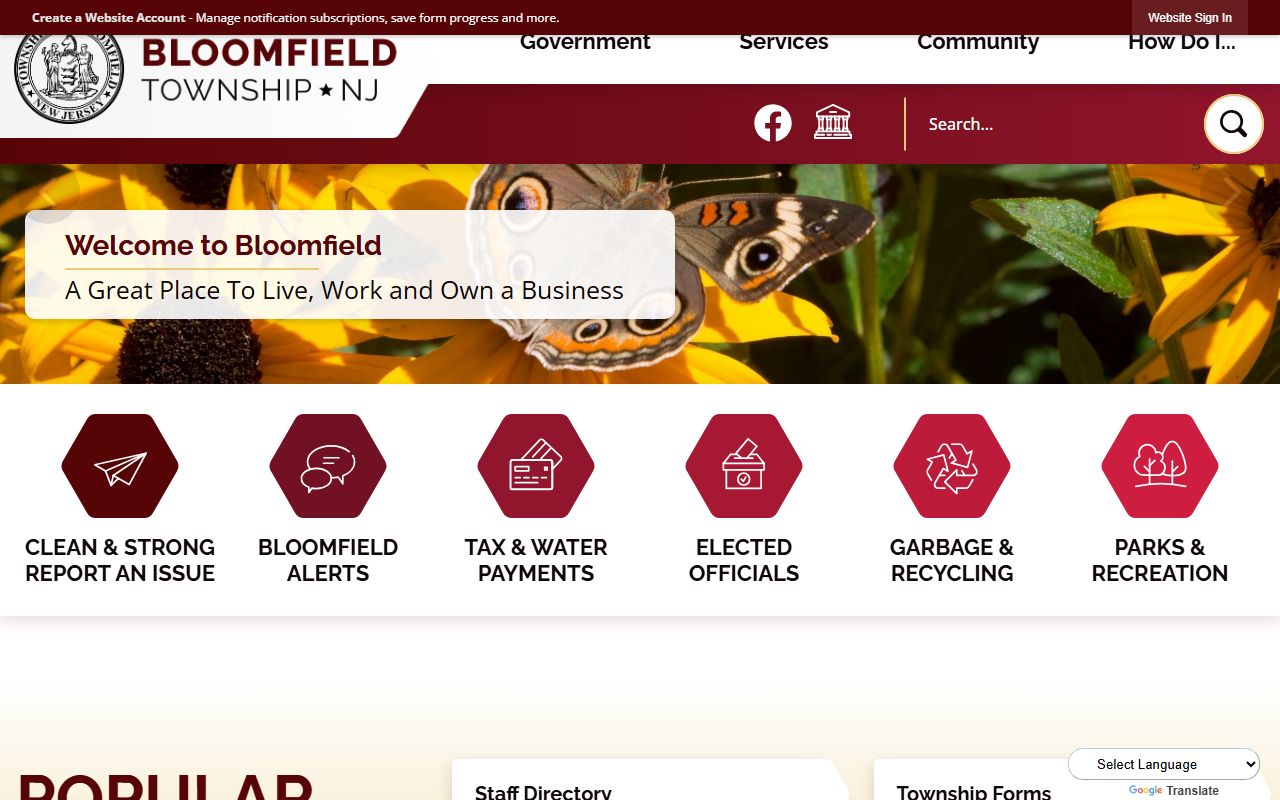
Visit the site for office hours, contact details, and links to OPRA request tools.
The New Jersey Death Index covers records from 1904 to 2017. This state-level resource can help you locate death records even if you are not sure which town holds them. It is a useful starting point for genealogists and estate researchers.
Note: Records older than 100 years may have limited availability or require special handling.
Security Camera Footage and OPRA
Bloomfield Township is tied to a landmark Supreme Court case on public records. In Gilleran v. Township of Bloomfield (2016), the court ruled that security camera footage can be exempt from OPRA under security exceptions. The decision said that releasing such footage could compromise the safety of public buildings.
The ruling did not create a blanket ban. Instead, it requires a case-by-case analysis. Each request for security footage must be weighed against the risk of releasing it. The township can deny a request, but it must explain its reasoning. This decision affects how all New Jersey towns handle similar requests.
If you request security footage and get a denial, the Gilleran case will likely be cited. You can still appeal to the Government Records Council. The GRC will look at the specific facts of your request.
What Records Can You Request?
The NJ OPRA Portal lists several categories of records available from Bloomfield Township. Here is a quick look at the main types:
- Meeting minutes from council sessions and board meetings
- Budget reports and financial statements
- Contracts with vendors and service providers
- Non-confidential personnel records
- Township policies and procedures
- Official communications and correspondence
Each category covers a broad set of documents. For example, "communications" can include emails between officials about township business. "Contracts" covers everything from waste hauling deals to legal service agreements. The key is to describe what you want clearly.
Your Rights Under OPRA
New Jersey's OPRA law applies to everyone. You do not need to live in Bloomfield to make a request. You do not need to give a reason for wanting the records. The law is designed to keep government open and transparent.
When the township denies a request, it must point to a specific legal exemption. Common exemptions include attorney-client privilege, active criminal investigations, and certain personnel details. If you believe a denial is wrong, you can file a complaint with the Government Records Council at no cost.
The GRC has reviewed many cases from Essex County towns. Its rulings are posted online and serve as a guide for future requests. Checking past decisions can help you frame your request in a way that is more likely to succeed.
Bloomfield Township Court Records
The municipal court handles local matters such as traffic tickets, ordinance violations, and minor disputes. Court records are public in most cases. Contact the court clerk for copies of specific filings or case details.
For Superior Court cases in Essex County, use the NJ Courts public access portal. This free tool lets you search for case records from any court in the state. You can find case numbers, party names, and hearing schedules. Certified copies of court documents must be requested directly from the court.
Note: Some court records may be sealed or restricted by judicial order.
Searching for Older Records
Bloomfield's records go back a long way. The vital statistics archive dates to 1848. Other municipal records, such as meeting minutes and financial reports, may go back decades as well.
Older records are sometimes stored in archives rather than in active filing systems. This can add time to your request. The clerk's office can tell you how far back their accessible files go and whether a special search is needed. For very old records, the New Jersey State Archives may also be a resource worth checking.
Genealogy researchers often find Bloomfield's archives useful. The combination of local vital records and the NJ Death Index (1904 to 2017) creates a solid foundation for family history research.
Essex County Public Records
Bloomfield Township is part of Essex County. The Essex County Clerk maintains deeds, mortgages, and other land records. Property searches, title checks, and lien inquiries often start at the county level. Election filings and business registrations are also available through the county clerk. For records beyond what the township holds, the Essex County office is the next place to look.