
New Jersey Public Records
New Jersey public records are held by state and local government offices in all 21 counties. The Open Public Records Act gives you the right to search for and get copies of most government documents in the state. You can find court records, land filings, vital records, and other public records through county clerks, the state archives, and online portals. This page covers where to search for New Jersey public records and how to request them from the right office.
New Jersey Public Records Quick Facts
New Jersey Open Public Records Act
The Open Public Records Act, known as OPRA, is the main law that controls access to public records in New Jersey. The state legislature passed this law so that citizens could inspect and copy government documents. Under N.J.S.A. 47:1A-1, any record made or kept by a state or local agency is open to the public unless a specific law says it is not. This rule applies to paper files, maps, photos, and data stored on a computer.
OPRA took effect on July 7, 2002. It replaced the old Right to Know Law. The law says each public agency must name a records custodian. That person handles all requests. You submit your request in writing. The custodian must grant or deny it in seven business days. If the custodian does not respond in time, the law treats it as a denial in New Jersey.
The Government Records Council helps resolve disputes when a request is denied. The GRC is part of the Department of Community Affairs. You can call them toll-free at 1-866-850-0511. They offer mediation and can hear formal complaints. Their website has guides, forms, and past decisions on New Jersey public records access.
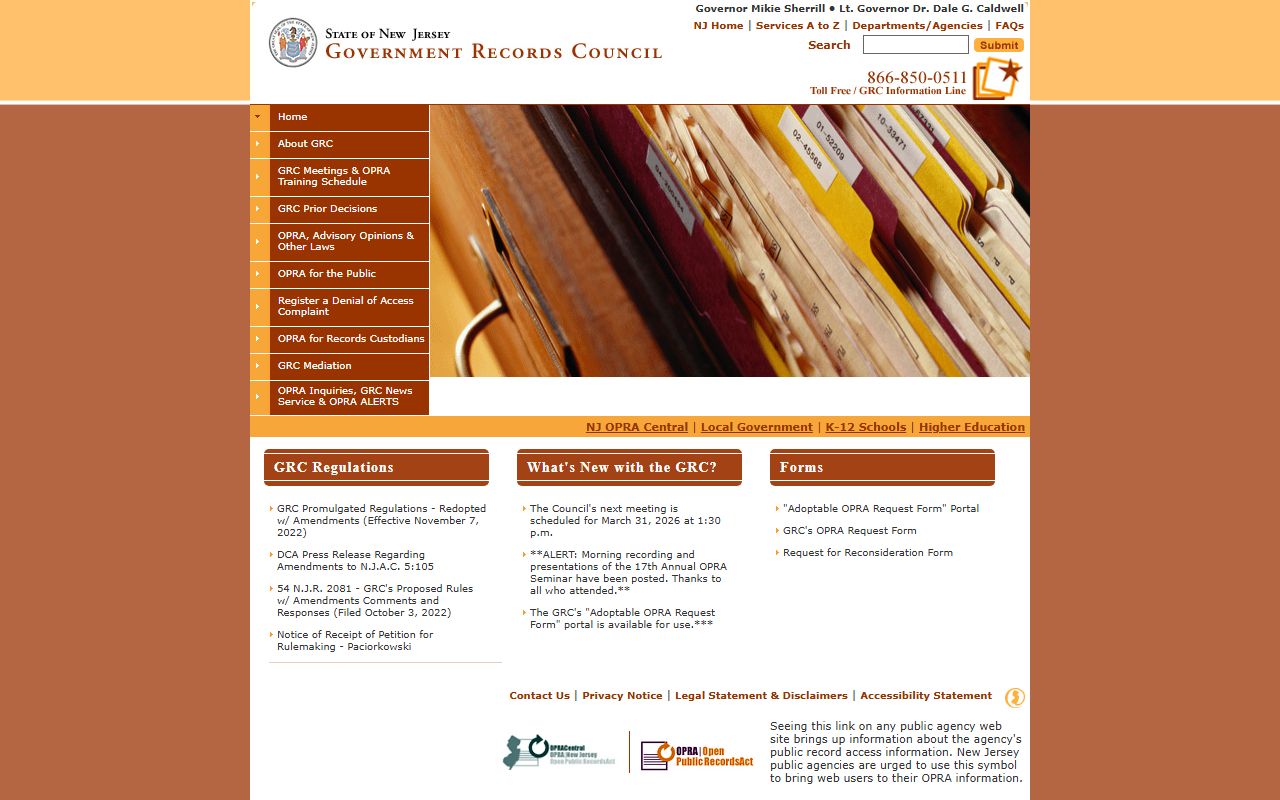
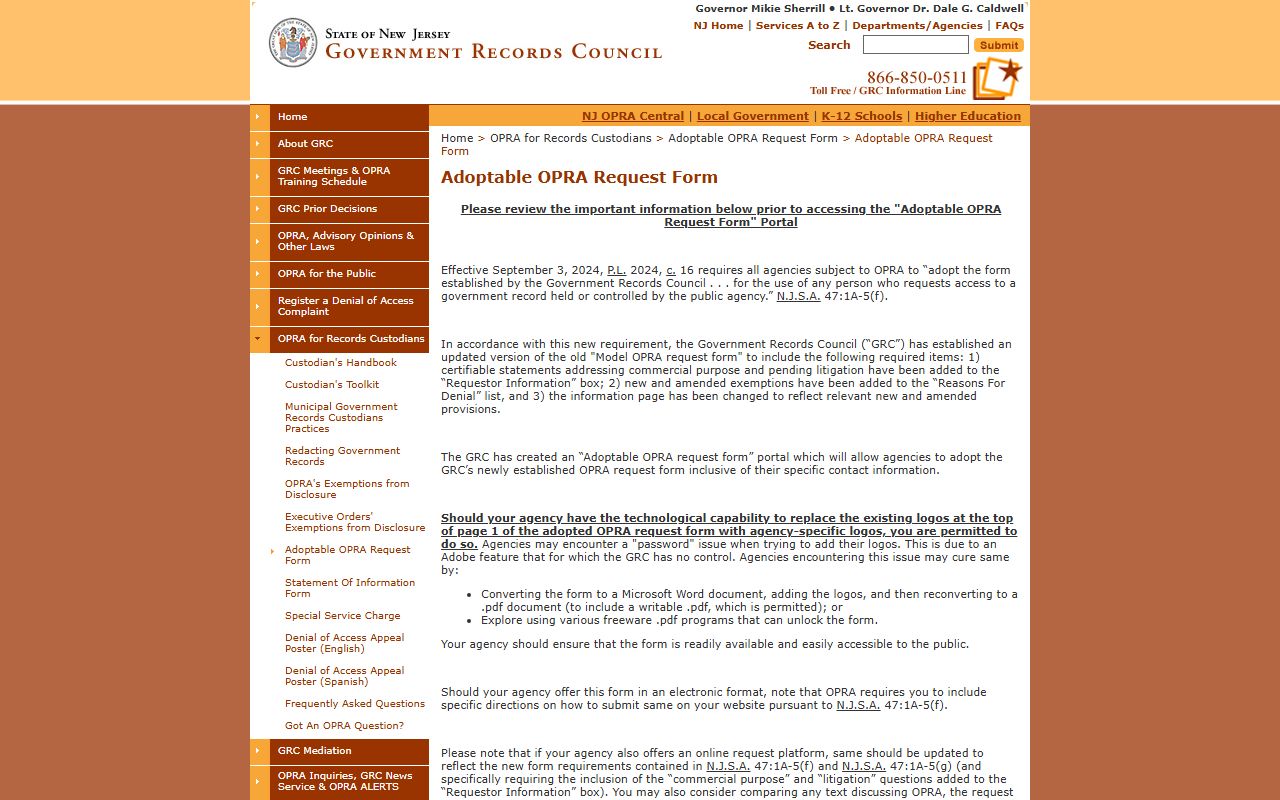
Amendments signed in 2024 under P.L. 2024, c.16 changed some rules. All public agencies in New Jersey must now use the GRC's standard OPRA request form. This makes the process the same across every town and county.
How to Search for Public Records in New Jersey
There are three ways to search for public records in New Jersey. You can go online, visit an office, or send a request by mail. The best method depends on what record you need and which agency holds it.
Online searches are the fastest way to find New Jersey public records. The NJ Courts public access portal lets you look up court cases across all 21 counties. You can search civil cases, foreclosures, criminal judgments, and municipal court tickets at no cost. The state also runs portals for business names, crash reports, and vital record orders. Many county clerks have their own online search tools for land records and property filings in New Jersey.
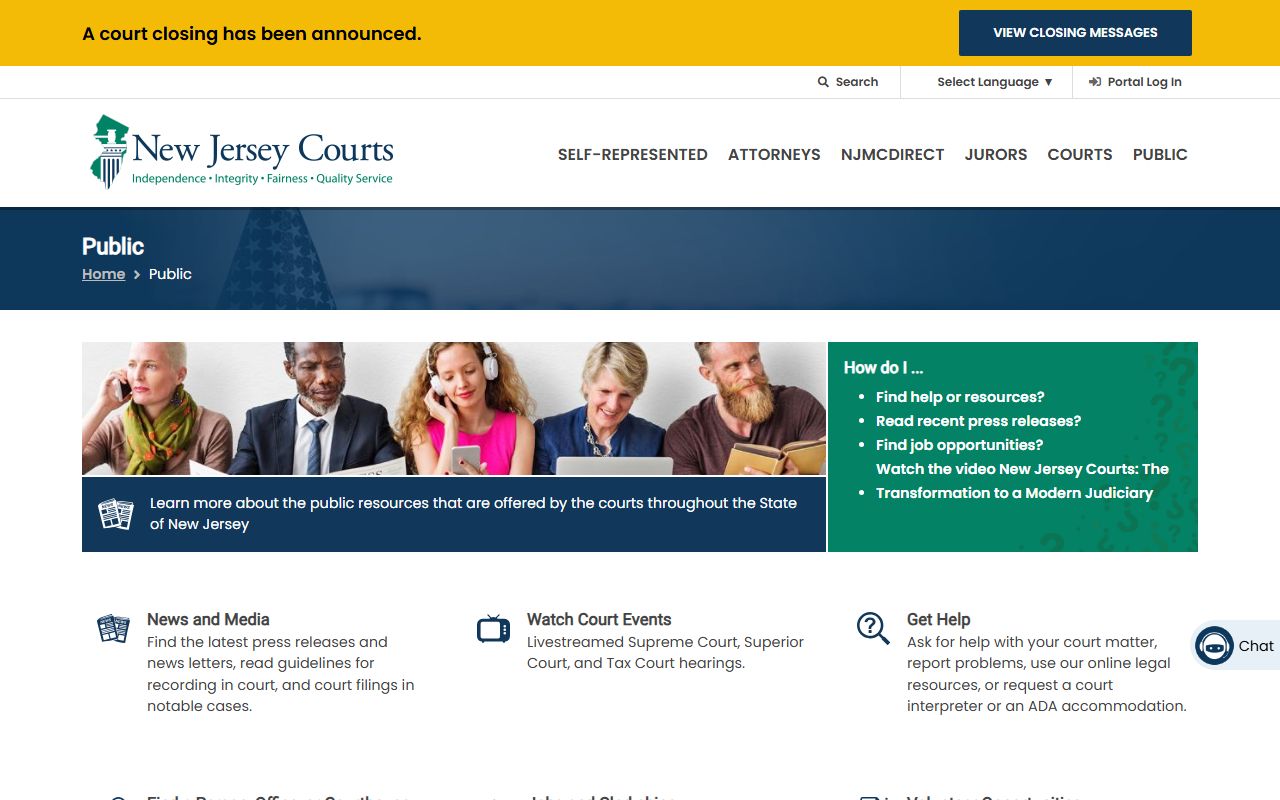
In-person visits let you view records and get copies on the spot. Each county clerk keeps deeds, mortgages, and other land documents in a records room. Most are open to the public during business hours. You can use self-serve terminals at courthouses to look up case dockets at no charge. Staff can help you find what you need.
To get copies of New Jersey public records, you file an OPRA request with the right custodian. Standard fees are $0.05 per page for letter size and $0.07 for legal size. Records sent by email are free. A custodian may charge a special fee for work that takes a long time. You can also get certified copies from some offices for a higher fee.
Note: Always check with the specific agency for their current fee schedule before sending payment for New Jersey public records.
Types of Public Records in New Jersey
New Jersey holds many types of public records across its state and county offices. Court records are among the most searched. The Superior Court system tracks civil, criminal, and family cases in all 21 counties. You can search for case filings, judgments, and docket entries through the civil and foreclosure public access system or the Electronic Access Program. The EAP costs $4 per minute and gives access to criminal, civil, family, and traffic case data.
Property and land records form a large part of public records in New Jersey. County clerks record deeds, mortgages, liens, and UCC filings. These records show who owns real estate and what debts are tied to it. Most counties have online search tools that go back to the 1970s or later. Older records are on microfilm or in bound books at the county office.
New Jersey public records also include these categories:
- Vital records such as birth, marriage, and death certificates
- Business entity filings and trade name registrations
- Probate and estate records at county surrogate offices
- Criminal history checks through the State Police
- Motor vehicle crash reports from the NJ State Police portal
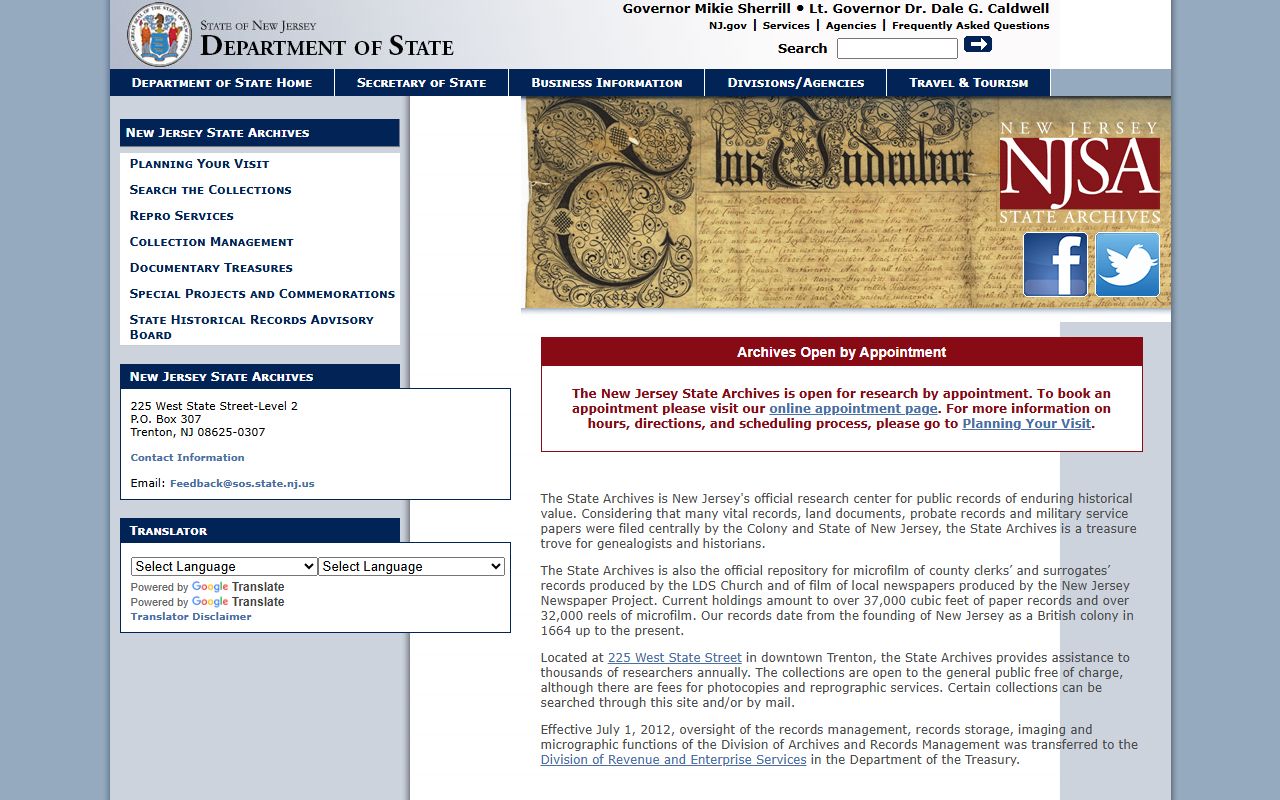
The Department of Health holds vital records for the most recent 100 years. For older records, you go to the New Jersey State Archives in Trenton. The archives hold over 37,000 cubic feet of paper records and 32,000 reels of microfilm. Their collection dates back to 1664 when New Jersey was a British colony.
County Public Records Offices in New Jersey
Each of the 21 counties in New Jersey has three main offices that handle public records. The County Clerk records land documents and runs elections. The Surrogate manages probate, estates, and guardianships. The Sheriff handles foreclosure sales and civil process. These offices keep records that go back to the founding of each county.
County clerks are the first stop for property records in New Jersey. They record every deed, mortgage, and lien that affects real estate in their county. The clerk also files trade names, UCC statements, and subdivision maps. Most clerk offices are open from 8:30 AM to 4:30 PM on weekdays. Many have satellite offices in larger counties for added convenience.
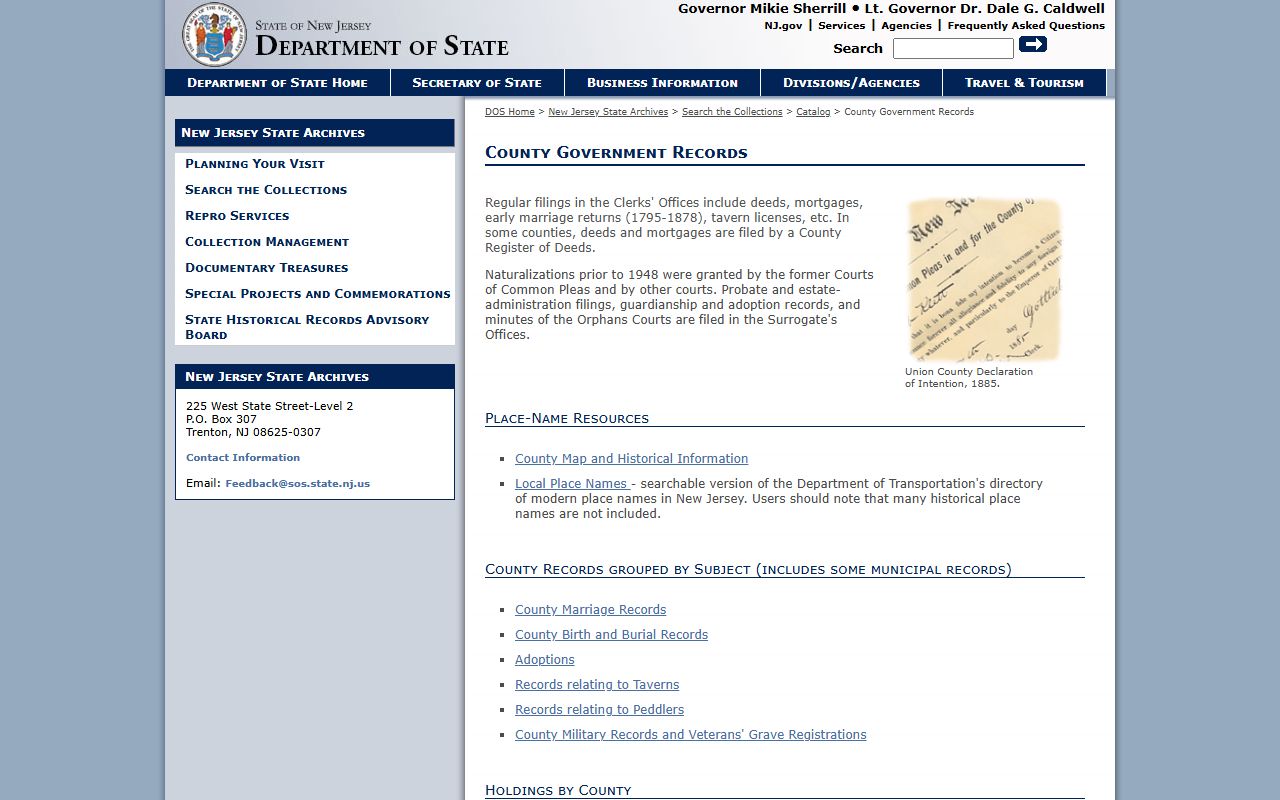
The county surrogate keeps records related to wills, estates, and guardianships. When someone passes away, their will goes through the surrogate for probate. These records are part of the public record in New Jersey. The State Archives hold microfilm copies of older surrogate records from every county. Some go back to the late 1600s.
Note: Recording fees vary by county, but most charge $30 for the first page of a deed or mortgage and $10 for each page after that in New Jersey.
Criminal History Public Records in New Jersey
The New Jersey State Police runs the state's criminal history record system. The Criminal Information Unit provides fingerprint-based checks for individuals who need a record of their own history. You can request your own record through the NJ portal or by visiting an IdentoGO site. The fee is $45.73 and results are usually ready within 24 to 72 hours.
Court records for criminal cases are available through the NJ Courts system. The PROMIS/Gavel database tracks all indictable criminal cases from arrest through appeal. You can search by name or docket number. Criminal judgments from June 2017 forward are on the courts website at no cost. Older records may need an in-person visit or a mail request to the Superior Court Clerk's Office in Trenton.
New Jersey Business Public Records
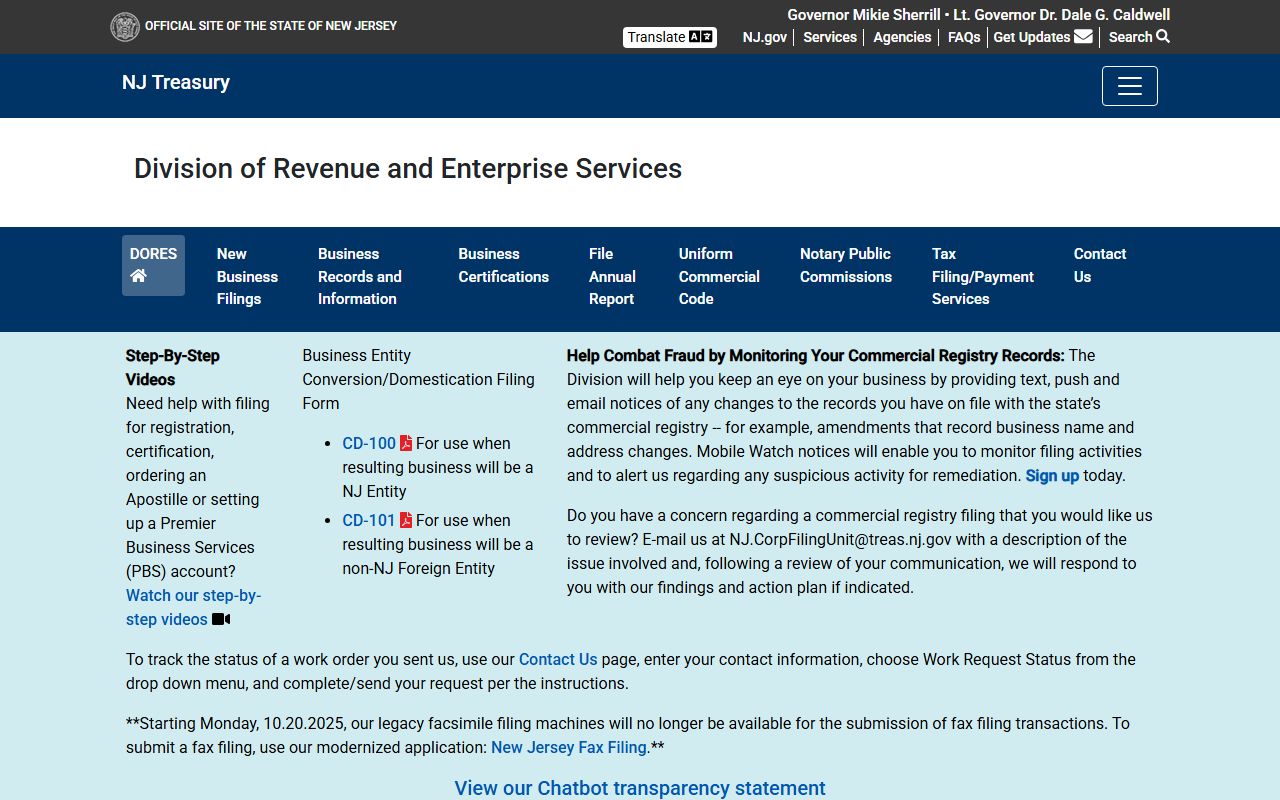
The Division of Revenue and Enterprise Services keeps records on every business entity formed in New Jersey. You can search for business names, check filing status, and order copies of formation documents. The online business name search is free to use. Copies of filed documents cost $0.10 per page, and certified copies cost $25 each.
The division also handles UCC filings, notary public records, and apostille certifications for documents that need to go to foreign countries. Their records unit is at 33 West State Street, 5th Floor, in Trenton. You can reach them by mail at PO Box 450, Trenton, NJ 08646. Expedited service costs $15 to $25 depending on the type of filing.
Records Exempt from Public Access
Not all government files are open to the public in New Jersey. OPRA lists specific types of records that agencies can keep confidential. Criminal investigation files that are not required by law to be made are exempt. So are records that contain trade secrets or attorney-client communications. Personal data like Social Security numbers, credit card numbers, and unlisted phone numbers must be redacted before release.
Daniel's Law, signed in November 2020, added more protections. It bars the release of home addresses and phone numbers for active and retired law enforcement officers, judges, and prosecutors in New Jersey. Their families are also protected. Agencies must remove this data when they receive a valid request under the law.
If your OPRA request is denied, you have two options. You can file a complaint with the Government Records Council or take the matter to Superior Court. The agency must show that the law allows the denial. If you win, you may get your attorney fees paid back. Public officials who knowingly violate OPRA face civil fines of $1,000 to $5,000 in New Jersey.
Vital Records Access in New Jersey
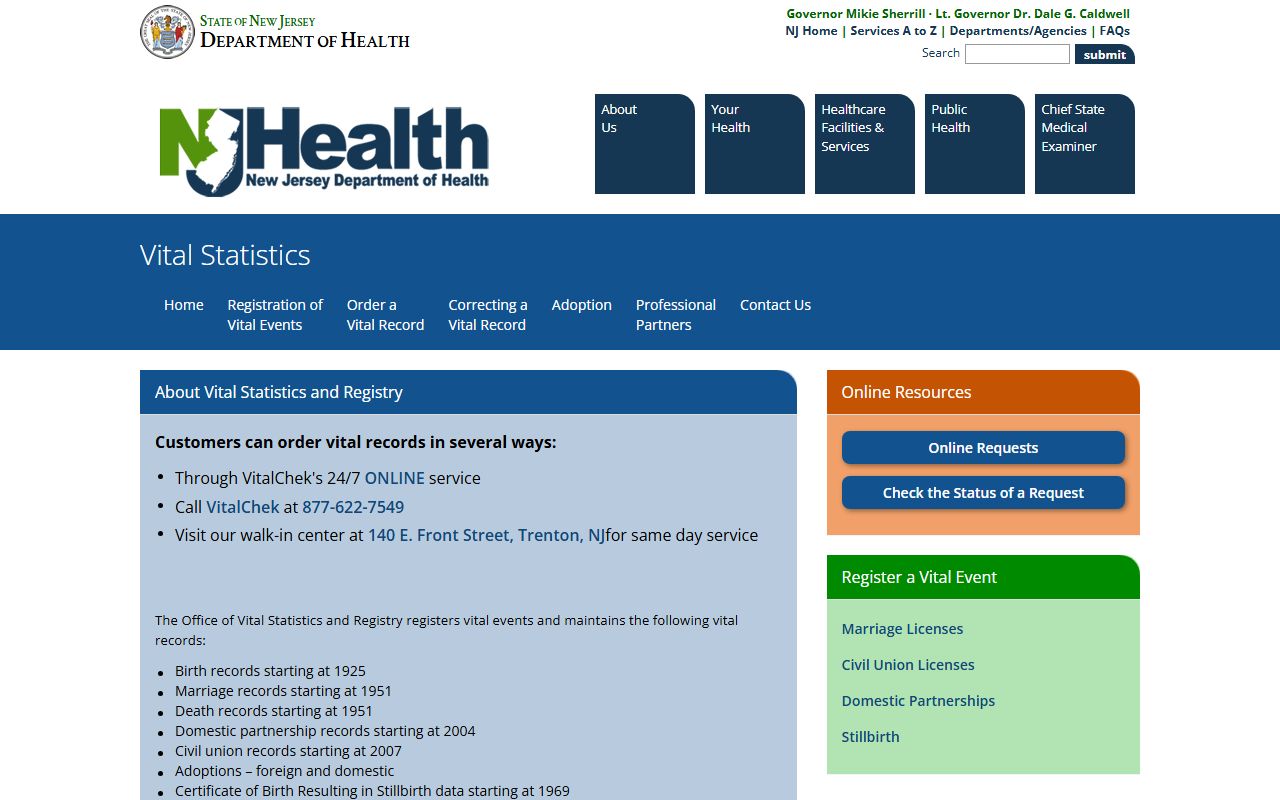
The Office of Vital Statistics and Registry holds birth, marriage, and death records for New Jersey. Their office on East Front Street in Trenton accepts walk-in requests. You can also order copies by mail or through VitalChek online. The office holds records for the most recent 100 years. Certified copies come on state safety paper with a raised seal.
For older vital records in New Jersey, the State Archives is the place to go. They hold birth records from 1848 to 1924, marriage records from 1848 to 1950, and death records from 1848 to 1950. Marriage and death indexes from 1848 to 1900 are searchable online. The archives are at 225 West State Street in Trenton and are open by appointment for free research.
Note: Vital records in New Jersey have restricted access and are not available to the general public without proof of relationship or a valid legal reason.
New Jersey Crash Reports and Police Records
The NJ State Police makes crash reports available through an online portal. Reports for accidents from January 1, 2013 forward cost $13 each and can be paid with a credit or debit card. You search by case number, license plate, or last name. The report stays available for 14 days after you get it.
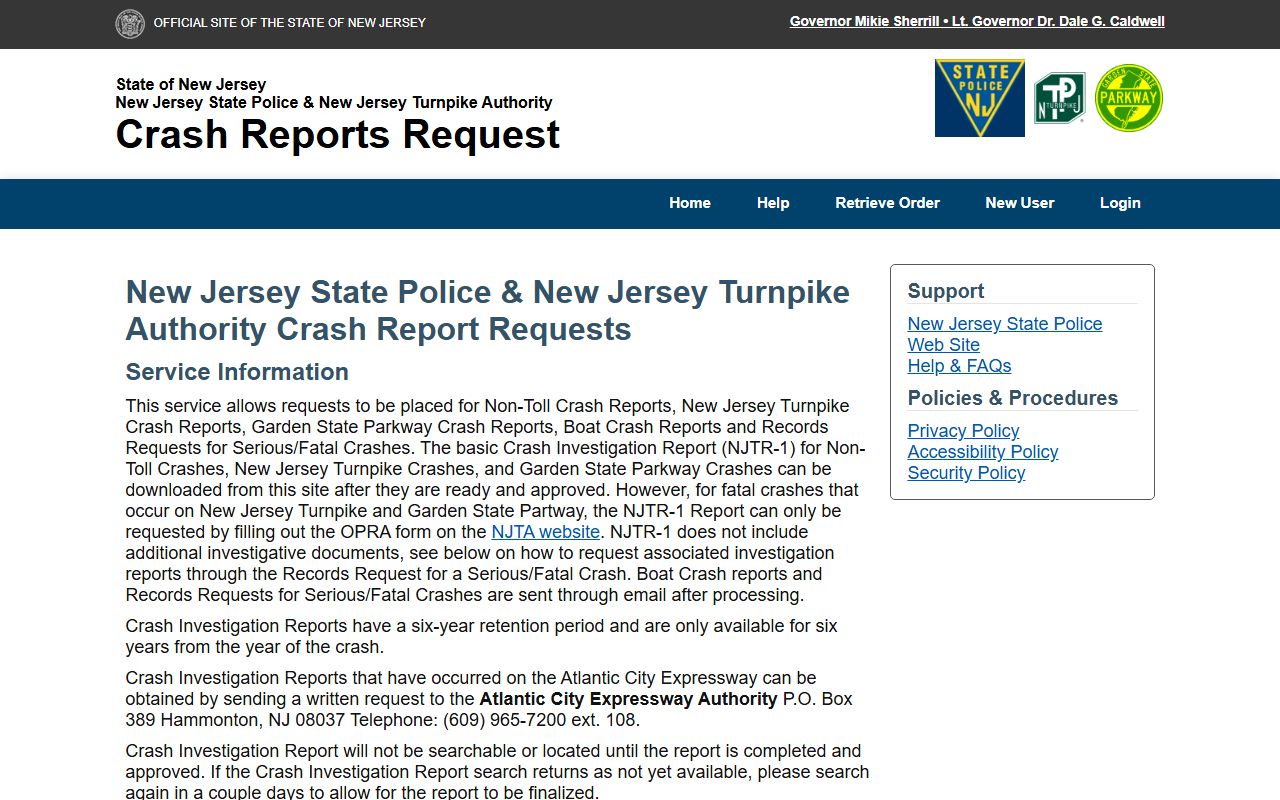
For older crash reports or toll road accidents, you send a mail request to the Criminal Justice Records Bureau in West Trenton. The fee by mail is $10 per report, paid by certified check or money order. Turnpike and Parkway crashes go through BuyCrash.com. Local police departments handle their own accident and incident reports, which you can get through an OPRA request to the town clerk.
Browse New Jersey Public Records by County
Each county in New Jersey has its own clerk, surrogate, and sheriff that keep public records. Pick a county below to find local offices, contact details, and online search tools for public records in that area.
Public Records in Major New Jersey Cities
City and township clerks handle public records requests at the local level. Pick a city below to find OPRA contacts, police records access, and municipal offices for public records.